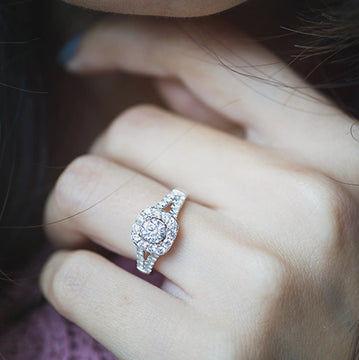

Diamond Buying Guide: Learn the 4Cs Before You Shop
A buyer's guide to diamonds: what you should know before you shop
Purchasing a diamond is both an emotional milestone and a meaningful investment. Whether you are selecting an engagement ring, commemorating a special occasion, or adding a timeless piece to your fine jewelry collection, understanding what defines diamond quality is essential. A thoughtful, informed approach ensures your diamond reflects lasting beauty, value, and personal significance.
This diamond buying guide is designed to help you shop with confidence. By understanding how to shop for a diamond through the lens of the Diamond 4Cs, certification standards, pricing factors, and the differences between lab-grown vs natural diamonds, you can make a decision that feels as exceptional as the moment it represents.

How to Buy a Diamond with Confidence
Learning how to select a diamond begins with understanding what truly matters beneath the sparkle. While size often draws immediate attention, a diamond’s beauty is defined by a balance of measurable quality factors that influence brilliance, durability, and long-term value.
For those beginning their journey with an engagement ring, Rodgers Diamonds offers a detailed resource on how to choose a diamond for an engagement ring, helping you align quality considerations with your partner’s style and your budget. This foundational knowledge allows you to approach the shopping process with clarity rather than uncertainty.
The Diamond 4Cs: Your Foundation for Quality
The Diamond 4Cs (Cut, Clarity, Color, and Carat) form the universal standard for evaluating diamond quality. Understanding how these factors interact is key to choosing a diamond that performs beautifully in real life, not just on paper.
Diamond Cut: The Key to Brilliance
Among all diamond quality factors, cut has the greatest impact on sparkle. Cut determines how effectively light enters, reflects, and exits the diamond. A well-cut diamond delivers brilliance, fire, and scintillation, regardless of size.
This is why many shoppers prioritize cut quality first. Even smaller diamonds with exceptional cut can appear more radiant than larger stones with inferior proportions, making cut a critical consideration when browsing diamond rings or pendants.
Diamond Clarity: Beauty Beyond Perfection
Diamond clarity measures internal inclusions and external blemishes created during formation. While flawless diamonds are rare, most inclusions are microscopic and invisible to the naked eye.
Clarity grades such as VS or SI often provide an excellent balance of beauty and value, especially in pieces such as diamond earrings, where stones are viewed at a slight distance, and sparkle takes precedence over magnified detail.
Diamond Color: Subtle Differences, Big Impact
Diamond color evaluates how colorless a diamond appears. Graded from D (colorless) to Z (light yellow or brown), even small variations can influence price.
In real-world settings, many near-colorless diamonds appear beautifully white, particularly when paired with yellow or rose gold. This makes them a popular choice in diamond necklaces and fashion-forward designs that emphasize warmth and contrast.
Diamond Carat: Understanding Size and Presence
Carat refers to a diamond’s weight, not its visual size. Two diamonds of equal carat weight can appear different in size depending on cut and shape.
Balancing carat with cut quality ensures your diamond looks proportionate and elegant, whether featured in an engagement ring or a statement piece from the Lovebright Essentials collection, known for maximizing visual impact through intelligent design.
Diamond Price Factors Beyond the 4Cs
While the 4Cs are central to diamond evaluation, additional diamond price factors can influence cost and appearance. Shape, popularity, fluorescence, symmetry, and polish all play supporting roles.
Market trends also matter. Certain shapes or styles may command higher prices due to demand, while others offer exceptional value without sacrificing beauty. Understanding these nuances allows you to make strategic choices, especially when exploring modern designs such as fusion diamonds, which blend innovative settings with classic brilliance.
Lab-Grown vs Natural Diamonds: What to Know
One of today’s most common questions is the difference between lab-grown vs natural diamonds. Both are real diamonds with identical chemical, physical, and optical properties. The distinction lies in origin.
Natural diamonds are formed over billions of years beneath the Earth’s surface and are prized for rarity and tradition. Lab-grown diamonds are created using advanced technology in controlled environments, often allowing shoppers to choose larger or higher-clarity stones at a more accessible price.
The right choice depends on personal values, budget priorities, and long-term goals. Both options can be stunning, meaningful, and worthy of celebration.
Why Diamond Certification Matters
Diamond certification is essential to a confident purchase. A grading report from a respected laboratory provides an unbiased assessment of the Diamond 4Cs, ensuring transparency and trust.
GIA and AGS are widely regarded as the most reputable grading institutions, known for strict standards and consistency. Certification protects shoppers by confirming quality and authenticity, whether the diamond is set in a ring, pendant, or pair of earrings.

Diamonds Through History and Modern Design
Diamonds have long symbolized love, commitment, and permanence. Their role in engagement traditions has evolved over centuries, shaping how we celebrate life’s most meaningful moments. The sparkling history of diamond engagement rings reveals how these stones became enduring symbols of romance.
Today, diamonds are just as relevant in modern fine jewelry. From classic diamond rings to contemporary diamond pendants and necklaces, their versatility allows them to transition effortlessly from daily wear to special occasions. Designers continue to reinterpret diamonds in fresh ways, blending tradition with innovation.
Shop Smarter with Confidence
A diamond purchase should feel empowering, not overwhelming. When you understand the Diamond 4Cs, certification standards, price factors, and origin differences, you gain the confidence to choose a diamond that reflects your values and style.
At Rodgers Diamonds, education and craftsmanship go hand in hand. With expert guidance and thoughtfully curated collections—from diamond rings to earrings, pendants, and fusion diamonds—finding the best diamond becomes a rewarding experience that lasts a lifetime.
Sample Block Quote
Praesent vestibulum congue tellus at fringilla. Curabitur vitae semper sem, eu convallis est. Cras felis nunc commodo loremous convallis vitae interdum non nisl. Maecenas ac est sit amet augue pharetra convallis nec danos.
Sample Paragraph Text
Praesent vestibulum congue tellus at fringilla. Curabitur vitae semper sem, eu convallis est. Cras felis nunc commodo eu convallis vitae interdum non nisl. Maecenas ac est sit amet augue pharetra convallis nec danos dui.
Cras suscipit quam et turpis eleifend vitae malesuada magna congue. Damus id ullamcorper neque. Sed vitae mi a mi pretium aliquet ac sed elitos. Pellentesque nulla eros accumsan quis justo at tincidunt lobortis denimes loremous. Suspendisse vestibulum lectus in lectus volutpat, ut dapibus purus pulvinar. Vestibulum sit amet auctor ipsum.