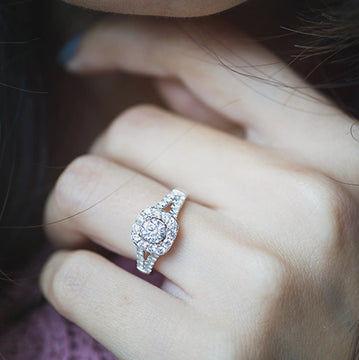

How to Safely Store Your Bridal Jewelry
How to Safely Store Your Bridal Jewelry
The preservation of bridal jewelry is essential to maintaining its structural integrity and aesthetic value over time. Proper stewardship is essential to avoid unnecessary jewelry repair and begins immediately upon removal, as environmental factors and improper handling can lead to cumulative damage or loss of brilliance.
Deciding how to store your bridal jewelry involves implementing a controlled, organized environment. A strategic storage approach protects delicate settings from mechanical friction and prevents the degradation of precious metals and gemstones caused by atmospheric exposure.
The Importance of Long-Term Jewelry Care

Investing in high-quality jewelry storage solutions is the first defense against the gradual wear that occurs even when a piece is not being worn. Fine metals and precious stones are susceptible to microscopic abrasions and chemical reactions that can dull their appearance over time. Establishing a dedicated routine for protecting wedding jewelry ensures that these items remain in gallery-ready condition, ready to be passed down as cherished family heirlooms.
Environmental factors such as light, moisture, and air quality play a significant role in the degradation of fine pieces. Without a controlled environment, even the most resilient metals can lose their luster. A proactive approach to bridal jewelry maintenance involves selecting the right containers and climate-controlled spaces to mitigate these risks.
Environmental factors such as light, moisture, and air quality play a significant role in the degradation of fine pieces. Without a controlled environment, even the most resilient metals can lose their luster. A proactive approach to bridal jewelry maintenance involves selecting the right containers and climate-controlled spaces to mitigate these risks.

Strategic Organization to Prevent Damage
A primary rule when you store your bridal jewelry is the strict separation of individual pieces. Diamonds, while exceptionally hard, can easily scratch softer gemstones, gold, and even other diamonds if allowed to come into contact. Utilizing a jewelry box with dedicated, fabric-lined compartments or individual silk pouches provides the necessary barrier to prevent surface friction and entanglement of delicate chains.
For necklaces and drop earrings, hanging organizers or padded bars are preferred to prevent kinking or knotting. When chains become tangled, the tension required to unfurl them can stretch or break the links, compromising the security of the piece.
For necklaces and drop earrings, hanging organizers or padded bars are preferred to prevent kinking or knotting. When chains become tangled, the tension required to unfurl them can stretch or break the links, compromising the security of the piece.

Methods to Prevent Tarnishing in Jewelry
Oxidation is a persistent challenge, particularly for pieces containing silver or certain gold alloys. To prevent tarnishing in jewelry, it is vital to minimize exposure to oxygen and humidity. Storing your collection in a cool, dry place away from direct sunlight is a foundational step in maintaining the chemical stability of the precious metals.
For added protection, consider using anti-tarnish strips or silica gel packets within your storage containers to absorb excess moisture and neutralize sulfur in the air. These small additions to your jewelry storage solutions can significantly extend the time between professional cleanings.
For added protection, consider using anti-tarnish strips or silica gel packets within your storage containers to absorb excess moisture and neutralize sulfur in the air. These small additions to your jewelry storage solutions can significantly extend the time between professional cleanings.
Optimizing the Storage Environment
The physical location of your jewelry box is as important as the box itself. Avoid storing fine jewelry in bathrooms or near heating vents, as extreme temperature fluctuations and high humidity can cause metal expansion and contraction. This movement can eventually loosen stone settings or affect the integrity of organic gems like pearls, which require a more stable environment to prevent drying or cracking.
Furthermore, ensure that your bridal jewelry maintenance routine includes a brief "cool down" period. Jewelry should never be stored immediately after contact with perfumes, hairsprays, or lotions. Always wipe each piece with a clean, lint-free cloth to remove residual chemicals and skin oils before placing them into their long-term storage environment.
Furthermore, ensure that your bridal jewelry maintenance routine includes a brief "cool down" period. Jewelry should never be stored immediately after contact with perfumes, hairsprays, or lotions. Always wipe each piece with a clean, lint-free cloth to remove residual chemicals and skin oils before placing them into their long-term storage environment.
Professional Oversight in Bridal Jewelry Stewardship

The long-term value of a bridal collection is preserved through a combination of meticulous home storage and periodic professional evaluation. By adhering to standardized maintenance protocols, collectors can mitigate the risks of metal fatigue and gemstone displacement that often occur over decades of ownership.
While advanced storage solutions provide a critical defense against environmental damage, they are most effective when paired with technical inspections. At Rodgers Diamonds, we offer comprehensive assessment and restoration services to ensure that your bridal jewelry maintains its structural integrity and extraordinary brilliance for a lifetime.
While advanced storage solutions provide a critical defense against environmental damage, they are most effective when paired with technical inspections. At Rodgers Diamonds, we offer comprehensive assessment and restoration services to ensure that your bridal jewelry maintains its structural integrity and extraordinary brilliance for a lifetime.
FAQ
How long can I safely store my bridal jewelry without needing professional cleaning or inspection?
While proper storage extends brilliance, you should ideally have your jewelry professionally inspected every six to twelve months. This ensures that even if the piece looks clean, the structural integrity of the prongs and clasps remains secure.
What is the best way to prevent diamonds and gemstones from losing their sparkle while in storage?
Ensure stones are completely free of skin oils and lotions by wiping them with a microfiber cloth before storage. Storing them in a dark, airtight environment prevents the accumulation of dust and film that can obstruct light performance.
Are there specific materials or fabrics I should avoid when lining a jewelry storage box?
Avoid chemically treated woods, felt containing high sulfur content, or rough fabrics that can scratch soft metals. Opt for boxes lined with acid-free velvet, silk, or specialized anti-tarnish ultra-suede.
Can extreme temperature or humidity fluctuations damage delicate bridal jewelry settings?
Yes, frequent expansion and contraction caused by temperature shifts can loosen stones over time. High humidity also accelerates the tarnishing of silver and lower-karat gold alloys
Should I store different types of metals (like gold and platinum) separately?
It is highly recommended to store metals separately to avoid contact scratches. Platinum is denser and harder than gold, meaning a platinum piece can easily mar the surface of a gold necklace if they rub together.
While proper storage extends brilliance, you should ideally have your jewelry professionally inspected every six to twelve months. This ensures that even if the piece looks clean, the structural integrity of the prongs and clasps remains secure.
What is the best way to prevent diamonds and gemstones from losing their sparkle while in storage?
Ensure stones are completely free of skin oils and lotions by wiping them with a microfiber cloth before storage. Storing them in a dark, airtight environment prevents the accumulation of dust and film that can obstruct light performance.
Are there specific materials or fabrics I should avoid when lining a jewelry storage box?
Avoid chemically treated woods, felt containing high sulfur content, or rough fabrics that can scratch soft metals. Opt for boxes lined with acid-free velvet, silk, or specialized anti-tarnish ultra-suede.
Can extreme temperature or humidity fluctuations damage delicate bridal jewelry settings?
Yes, frequent expansion and contraction caused by temperature shifts can loosen stones over time. High humidity also accelerates the tarnishing of silver and lower-karat gold alloys
Should I store different types of metals (like gold and platinum) separately?
It is highly recommended to store metals separately to avoid contact scratches. Platinum is denser and harder than gold, meaning a platinum piece can easily mar the surface of a gold necklace if they rub together.