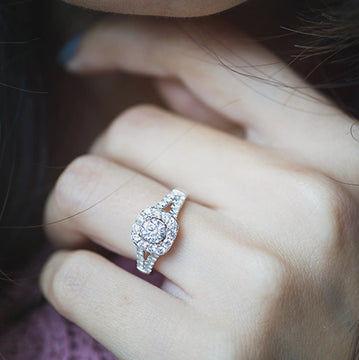

How to Clean Fine Jewelry Necklaces at Home
Maintaining the radiance of high-value jewelry requires a disciplined approach to care. Over time, environmental exposure and daily wear allow organic oils and debris to accumulate, which can diminish the refractive properties of gemstones and the luster of precious metals.

Learning how to clean necklaces at home is a practical necessity for preserving the aesthetic and structural integrity of your collection. By utilizing professional techniques and mild solutions, you can effectively restore the original brilliance of your pendants between scheduled professional jewelry repairs.
The Fundamentals of Cleaning Fine Jewelry at Home
Safe jewelry cleaning solutions start with a minimalist approach. High-value necklaces, particularly those featuring intricate chains or delicate settings, are susceptible to mechanical damage if handled roughly. Before cleaning, always inspect the piece for loose stones or compromised clasps.
The most reliable method for cleaning fine jewelry at home involves a shallow bowl of lukewarm water and a few drops of mild, fragrance-free detergent. This pH-neutral environment breaks down surface oils without reacting to the alloys found in 14k or 18k gold or the delicate surfaces of platinum.
How to Clean a Gold Necklace
Gold is a relatively soft precious metal that requires non-abrasive care to prevent surface micro-scratches. When considering how to clean a gold necklace, submerge the piece in a gentle soapy solution for approximately fifteen minutes. This dwell time allows the solution to penetrate the links of the chain, effectively loosening the buildup of skin oils, lotions, and environmental dust that accumulates in the intricate crevices of the metal.
After soaking, use a new, ultra-soft bristle brush to lightly agitate any remaining debris, paying close attention to the clasp and the areas where the chain meets the pendant. Rinse the necklace under warm running water and dry it thoroughly with a lint-free microfiber cloth to prevent water spots or oxidation. For high-carat gold, such as 18k or 22k, use even lighter pressure, as the higher gold content increases the metal's malleability and susceptibility to surface marks.
How to Clean a Diamond Necklace
Diamonds are naturally lipophilic, meaning they readily attract grease and skin oils. This buildup creates a film on the pavilion of the stone, obstructing light performance and diminishing the natural brilliance and dispersion of the gem. When considering how to clean a diamond necklace, focus on the underside of the setting where dirt most frequently aggregates, as this area is critical for allowing light to enter and exit the stone.
A brief soak in a degreasing soapy solution followed by gentle brushing with a soft-bristled tool will restore the stone’s fire and scintillation. Avoid any cleaners containing chlorine or bleach, as these harsh chemicals can cause stress corrosion in the metal prongs, potentially leading to stone loss or structural failure of the setting over time. Once cleaned, rinse the piece in distilled water to avoid mineral deposits and utilize a specialized jewelry blow dryer or a soft cloth to ensure no moisture remains.
Cleaning Sterling Silver Necklaces
Sterling silver requires specific attention due to its vulnerability to tarnish, a natural chemical reaction to sulfur in the air. When cleaning sterling silver necklace pieces, avoid using abrasive pastes or household baking soda, which can permanently dull the metal’s reflective finish.
For minor oxidation, a specialized silver polishing cloth is the most effective tool. If the tarnish is heavy, use a mild liquid cleaner formulated specifically for silver. Ensure the piece is completely dry before storage to mitigate future oxidation, as moisture accelerates the tarnishing process.
The Standards of Long-Term Jewelry Preservation
The longevity of a fine jewelry collection is defined by the quality of its maintenance and the precision of its care. Implementing a consistent cleaning regimen ensures that atmospheric contaminants and daily wear do not lead to permanent degradation of the metal or the brilliance of the stones.

While home maintenance is vital, it serves as a supplement to professional expertise rather than a replacement. The legacy of your most cherished pieces is an investment worth protecting, and at Rodgers Diamonds, we provide professional cleaning services to ensure your treasures remain in pristine condition for generations.
FAQ
How often should I clean my fine jewelry necklaces?
Items worn daily benefit from a gentle cleaning every two weeks to prevent heavy buildup. Occasional pieces should be cleaned every few months or before long-term storage.
What are the common household cleaners I should never use on my gold or diamond necklaces?
Never use bleach, chlorine, acetone, or abrasive toothpastes on fine jewelry. These substances can erode metal alloys and damage the surface of many gemstones.
Is it safe to use an ultrasonic cleaner on all types of fine necklaces?
No, the vibrations can loosen stones or cause fractures in gems like emeralds, opals, and pearls. Ultrasonic cleaning should only be performed by a professional after an integrity check.
What's the best way to remove tarnish from a sterling silver necklace without causing damage?
Use a dedicated, non-abrasive silver polishing cloth to gently lift oxidation. For heavy tarnish, a mild, silver-specific liquid cleaner is recommended.
When is it necessary to take a fine jewelry necklace to a professional cleaner instead of doing it myself?
A professional inspection is required if you suspect loose settings or if the jewelry contains organic or porous gemstones. Annual professional servicing is recommended to verify the structural security of all components.
Sample Block Quote
Praesent vestibulum congue tellus at fringilla. Curabitur vitae semper sem, eu convallis est. Cras felis nunc commodo loremous convallis vitae interdum non nisl. Maecenas ac est sit amet augue pharetra convallis nec danos.
Sample Paragraph Text
Praesent vestibulum congue tellus at fringilla. Curabitur vitae semper sem, eu convallis est. Cras felis nunc commodo eu convallis vitae interdum non nisl. Maecenas ac est sit amet augue pharetra convallis nec danos dui.
Cras suscipit quam et turpis eleifend vitae malesuada magna congue. Damus id ullamcorper neque. Sed vitae mi a mi pretium aliquet ac sed elitos. Pellentesque nulla eros accumsan quis justo at tincidunt lobortis denimes loremous. Suspendisse vestibulum lectus in lectus volutpat, ut dapibus purus pulvinar. Vestibulum sit amet auctor ipsum.